

A Mother’s Hope for Art Museums
To increase patronage, art museums need a family-friendly organizational culture.
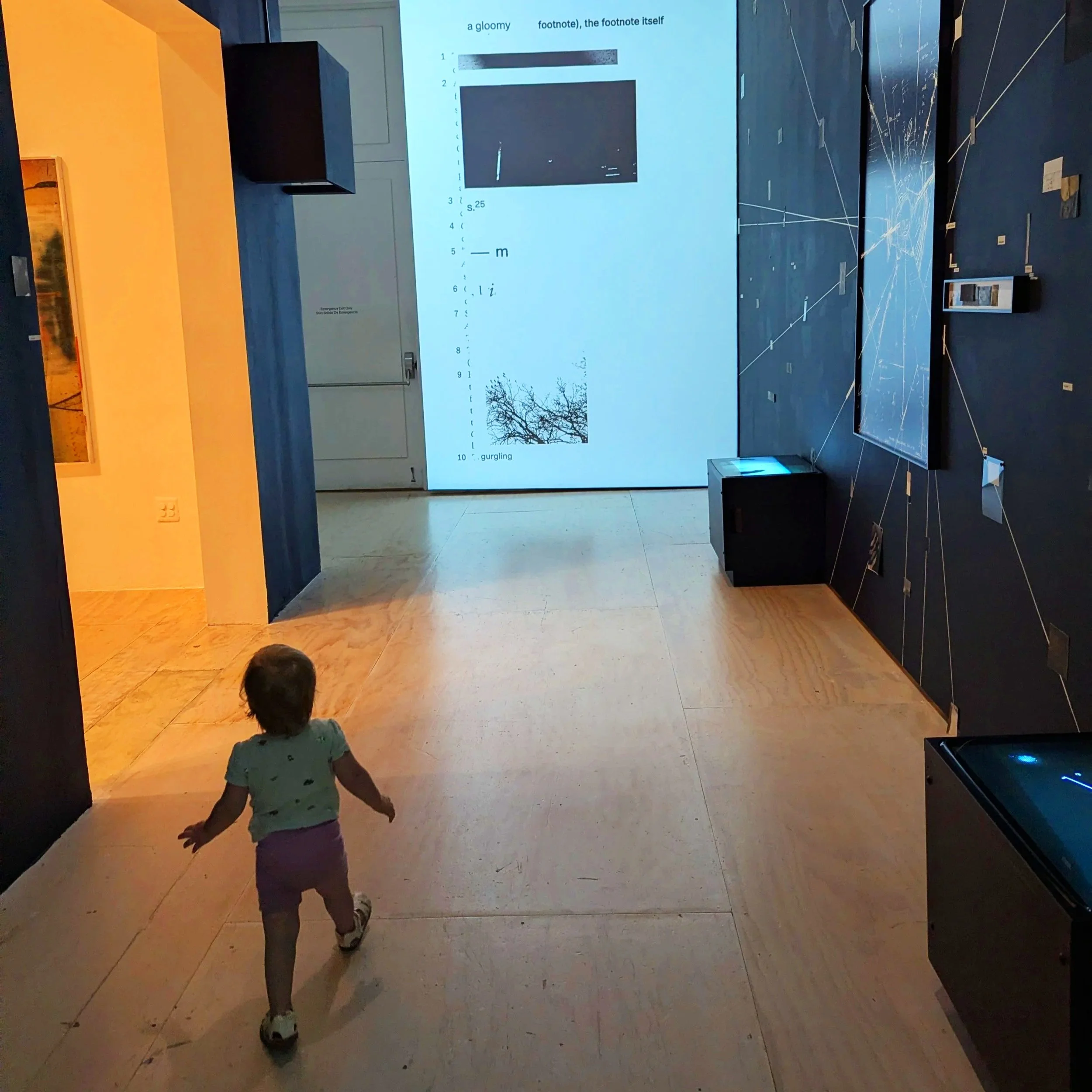
In 2025 I became a mom. My daughter, now a bright, energetic, and inquisitive toddler, is no stranger to art museums. Even in the womb she was my museum buddy. We trekked together to the Rubin Museum during its farewell week when my morning sickness was briefly at bay and I could enjoy walking again. At the Rubin, educators offered prayer flags on which visitors could write wishes. These flags were later flown outside of the building at the end of the museum’s run. I wrote a devotion to my daughter’s future on one in which I wished her joy and a lifetime of exploration and discovery. I treasure this memory, and miss the Rubin’s physical presence in our lives all the more for it.
Since my daughter’s birth, we’ve made trips to museums and galleries across New York City. For us, these local outings are bonding experiences. I’ve had a blast introducing her to my favorite pastime, and she has reciprocated with endless curiosity and surprising respect for the art. Yet, when I plan for us to visit to an art museum, I inevitably feel trepidation and start to scour websites for visitor information that could bar my little one from sharing in my joy. Will this museum be family-friendly? Does it have accommodations for parents such as a changing station or a casual cafe where we can take a break and get a snack? Most importantly, will the museum feel safe and welcoming for us both?
One of the biggest surprises I encountered when I began museum-hopping with my daughter was that there are art museums that still to this day do not allow children. I found this out the same way many families visiting the Frick do; at the entrance with my stroller-bound 9-month-old daughter. There are not enough kudos for the museum guard we encountered that day who sympathetically let me know that there’s a strict policy barring children under 10 from entry, including infants in strollers. My jaw must have been on the floor, but they met my surprise and concern with a knowing and empathetic look, and thanked me for considering the visit. Their kindness in the face of discriminatory policies made me feel human in that moment.
Age discrimination is against the law in New York City. In 1995 The Frick obtained an exception to the policy that prohibits this discrimination, as did the Neue Galerie, which will soon merge with The Metropolitan Museum of Art. Both museums justify their exception as a means to ensure the safety of the art as it is displayed in their spaces. The underlying message for parents and children alike is that this specific museum does not trust either person to respectfully look but not touch. Certainly there are and will be instances in which young children cross a (sometimes literal) line, but ask any guard and you’ll likely hear at least one story about an adult who should have known better and has done the same. Teaching a child early on to respect art in a museum is a lesson that can last a lifetime.
Museums that do not allow in children are rare, but that does not mean that all other art museums and galleries are welcoming. Lack of trust can be evident upon arrival. No matter how open your policies or facilities are to children of all ages, if your staff and volunteers are trained or conditioned to view children with suspicion, you create an environment of stress and frustration for parents and children alike.
Art is for everyone because art is a core part of who we are as human beings. Discouraging our youngest people from entry and enjoyment of art spaces sharpens the divide between our society’s interest in, and support of, art institutions. Being eyed with suspicion makes parents and children alike wary of art museum visits, as it does with anyone. Like massive Greek columns, a child-averse organizational culture becomes a symbol of exclusion. Conversely, building human connections and a sense of community brings your audience to you, and keeps them coming back.
Art museums are suffering. Visitation remains down even as families look to opportunities for staycations and activities that their children can enjoy close to home. Loss of federal funding means cancelling programs and events targeted to attract this demographic. How do we become more welcoming to the youngest members of our community in our bid to up visitation? Part of it is on the parents. As Nisa Ari says it splendidly in her op-ed in the Boston Globe:
“…“kid friendly” does not mean that the art museum should become a playground; far from it. In my mind, this term refers to the types of spaces where my young sons can see their mom relaxed, examining details, and not policing their behavior for the sake of others. Places where they can develop their own interest in art and subtly teach other visitors that this is their museum, too.”
But the other half of the puzzle to creating a welcoming art museum experience for families is a consistent dedication by staff to ensuring that art museums are safe and encouraging spaces for parents and their young children.
For all of my encounters with unwelcoming art museums and galleries, I’ve visited even more museums that that have gained my loyalty through consistent kindness. Two immediate examples come to mind. The Museum of Art and Design, situated in the heart of in Manhattan’s Billionaire Row, had guards who smiled and waved at my daughter, then encouraged her to join in on the fun of an interactive portion of an exhibit. The same guards also gently corrected me when my daughter leaned a little too heavily on a window while I was only halfway eyeing her in a rest area. Admittedly I was distracted, but the genuine sweetness in their correction (not chastisement) meant that I felt like we remained welcome, and that I could make a better effort to steward her museum visit. Parents make mistakes too, but if they are made to feel like they are part of the museum space and community, it can become an active incentive to learn and improve.
Dia: Beacon was another exceptional experience for us. The museum’s galleries can feel academic, if not imposing at times, for those with small children. But the immediate welcome we had from the staff at the front desk and in the galleries quickly put my mind at ease. When I asked where the elevators were, a gallery attendant not only gave me clear instructions but interacted lovingly with my daughter and without prompting told us about a floor in the museum where visitors of all ages were encouraged to interact with the art. We will be going back often.
Before I had my daughter, I worked as the Director of Operations and Administration at the Asia Society Museum. Our goal was to keep our gallery spaces welcoming to children of all ages. I remember smiling as I saw kindergarteners tour galleries filled with contemporary art, curious and chatty, and totally enjoying the journey. Even if a child every once in a while mistook a display pedestal for a perfectly child-sized bench, they were welcome to explore and enjoy everything the museum had to offer alongside their caretakers. In hindsight, I think we would have done well to have procured a few little-one-sized seating options alongside the bigger seats.
What matters at the end of the day is feeling like you are a welcome part of the community. That sense of community goes beyond the changing station or the interactive play center, and into the very heart of an institution’s staff and volunteer community. My hope for all art museums is this: default to an organizational culture that fosters safety and engagement for families of all shapes and sizes, especially those with young children. I want my daughter to grow up loving art museums. To do that, she must be loved by them as well.
Laura Kandle is an arts operations leader and consultant who has previously worked at The Metropolitan Museum of Art and the Asia Society Museum. She is a co-author of the upcoming book, Nonprofit Financial Management: Finding the Balance
